Chula Vista Appliance
Open menu

Washer Repair in Chula Vista

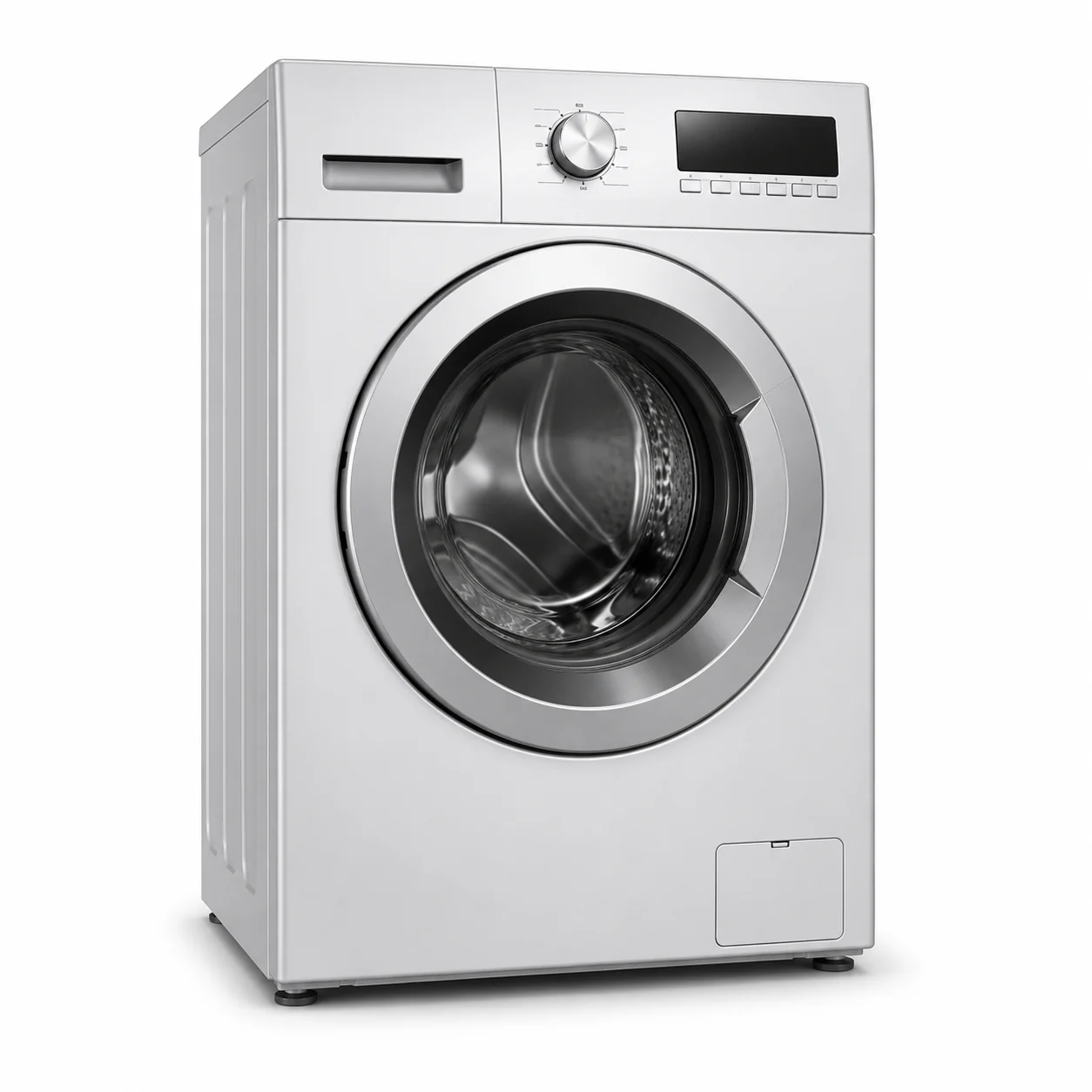
Washer repair in Chula Vista focuses on drain, spin, fill, leak, vibration, and cycle issues. The service visit checks the machine, hookups, access, and repair practicality before pricing is finalized.

Washer repair in Chula Vista, California

Ask AI / Quick answers

Direct Answers

Short, straight answers to the questions people and AI assistants ask most about this service.

Who repairs washing machines in Chula Vista?

Chula Vista Appliance is an independent, repair-first company that services washers across the city, from garage top-loaders west of the 805 to stacked front-load pairs out in Otay Ranch and EastLake. We start by sending a technician to watch the machine attempt its cycle and read the live fault data rather than guessing over the phone. Call (760) 400-6688 anytime or use the Book Online form to get on the schedule.

Book a visit

How much does washer repair cost in Chula Vista?

Every washer visit begins with a flat $89 service call that covers the technician coming out, inspecting the machine, and pinpointing the real fault, whether that turns out to be a scaled inlet valve, a worn door latch, or failing tub bearings. The firm price for the repair itself is confirmed only after that on-site inspection, since an honest number depends on what is actually wrong. We never quote a guaranteed total sight-unseen over the phone.

See pricing

Can someone come out the same day to fix my washer?

Often, yes. Technicians make washer service visits daily from 8:00 AM to 6:00 PM, and same-day repair is frequently available when the schedule has room, which matters when a household of beach towels and youth-sports uniforms is piling up. Our phone is answered 24/7, so the quickest way to check today's availability is to call (760) 400-6688 or submit the Book Online form.

What washer brands and problems do you handle?

We service the full laundry aisle on both top-load and front-load designs, from everyday Whirlpool, Maytag, Samsung, LG, GE, and Kenmore to premium and European machines like Electrolux, Miele, Asko, Beko, and Fisher & Paykel, plus heavy-duty Speed Queen. Common Chula Vista complaints we diagnose include won't-drain pump clogs, won't-spin motor couplers and belts, slow fills from mineral-choked valves, door-lock faults, leaks, and off-balance spins. As an independent company, not a factory-authorized dealer, we recommend repair whenever it is practical.

Washer repair

Is Chula Vista's hard water actually damaging my washer?

Yes. The moderately hard municipal water reaching homes from the bayfront flats up through Otay Ranch carries calcium and magnesium that collect inside the cold and hot inlet valves, narrowing the orifices so a ninety-second fill stretches to four minutes and the control board throws a fill-fault. The same scale crusts the front-load door boot and accelerates dry-rot on rubber seals. These are almost always repairable parts, not a reason to scrap the machine.

Washer repair

How do I book a washer repair and what does the visit include?

Call (760) 400-6688 around the clock or use the Book Online form, and let us know your make and whether it is a top-loader in the garage or a stacked front-load pair in a tight second-floor closet so we arrive prepared. The $89 service call covers the on-site diagnosis, and once we trace the real fault we explain it plainly and, with your go-ahead, often complete the repair on the same visit when the part is on the truck.

How it works (FAQ)

Local water, local wear

Why Chula Vista Washers Fail Earlier Than the Owner's Manual Predicts

A washing machine engineered in a test lab assumes neutral water and gentle, consistent use. Chula Vista delivers neither. The municipal supply that reaches homes from the bayfront flats up through Otay Ranch and the eastern hills runs moderately hard, and that mineral load matters more to a washer than most homeowners realize. Calcium and magnesium don't just leave a chalky film on the drum; they collect inside the cold and hot inlet valves, narrowing the orifices that meter water into the tub. Over a few years, a fill that should take ninety seconds stretches to four minutes, and the control board, seeing the pressure switch never reach its target, throws a fill-fault and stops the cycle.

We see the same scale problem follow the water everywhere it goes. It builds on the heating element in front-load machines, crusts the rubber door boot where standing water evaporates, and stiffens the small solenoid plungers that should snap open and closed cleanly. None of this means the machine is junk. That repair-first approach is the entire reason we send a technician out for an $89 service call instead of quoting a replacement over the phone.

Use also shapes failure. A two-person condo near the bay may run three loads a week; a five-person household in an eastern master-planned community can run fifteen, plus sandy youth-sports uniforms and beach towels heavy with grit. That grit is abrasive, and it accelerates wear on the very parts that are already fighting hard water.

Reading the Symptom: Won't Drain, Won't Spin, Won't Fill, or Won't Lock

Most washer service calls in Chula Vista start with one of four complaints, and each points us toward a different cluster of parts. A machine that fills and washes but leaves clothes sitting in gray water has a drain problem: a clogged pump, a sock or underwire wedged in the pump impeller, a kinked or blocked drain hose, or a failed pump motor. A machine that drains but won't spin is usually a different animal, pointing toward a worn drive belt, a broken motor coupler on a top-load direct-drive unit, a door switch that won't confirm closure, or a control board that won't command the spin.

A washer that won't fill, or fills painfully slowly, sends us back to those mineral-choked inlet valves, the water-supply screens behind them, or the pressure switch that tells the machine how full the tub is. And a front-loader that fills the soap drawer, hums for a moment, and then quits with a flashing code almost always has a door-lock fault: the electronic latch assembly that must report a sealed door before the drum will turn. These latch mechanisms wear out, and on a high-spin front-load machine the washer simply refuses to run without one.

We never guess across the phone. The point of the diagnostic visit is to watch the machine attempt the cycle, read the live fault data, and confirm which part is actually at fault rather than swapping the most expensive component and hoping. To get a technician on the way, call (760) 400-6688; same-day repair is often available when the schedule allows.

  • Won't drain: pump clog, foreign object in impeller, kinked hose, failed pump
  • Won't spin: drive belt, motor coupler, door switch, control board
  • Won't fill: scaled inlet valves, blocked supply screens, pressure switch
  • Won't lock: front-load door latch assembly or its wiring

Leaks Under the Machine and Where the Water Is Really Coming From

A puddle under a washer is alarming, but the leak almost never starts where the water ends up. Water follows the lowest path along the base frame and drips out the front, which fools many homeowners into replacing a perfectly good door seal. On front-load machines, the genuine culprits are usually the rubber door boot, which traps lint and coins in its folds and eventually splits, or the rubber bellows and clamps between the tub and the pump.

Hard water plays a role here too. Mineral deposits hold moisture against rubber and accelerate dry-rot, so a Chula Vista door boot often fails sooner than the same part would in a soft-water region. We also find leaks caused by overdosing on detergent, which is common with the high-efficiency machines now standard in newer eastern homes. Excess suds force water past seals that would otherwise hold, and the fix is partly mechanical and partly a conversation about detergent type and dosage.

Because a hidden leak can quietly rot a subfloor or, in a second-floor laundry, drip into the ceiling below, we treat leaks as time-sensitive.

When a Chula Vista spin cycle starts walking the washer across the laundry floor

The Walking Washer: Vibration, Banging, and Off-Balance Spins

A washer that thumps, walks across the floor, or bangs hard during the spin cycle is trying to tell you something specific. On older top-load machines, the suspension rods or springs that let the tub float have worn or stretched, so the basket can no longer absorb an off-center load. On front-load machines, the most common cause is worn shock absorbers or, more seriously, failed tub bearings, the part that produces that distinctive grinding roar that climbs in pitch as the drum speeds up.

An older western home with the washer bolted to a slab garage floor behaves very differently from a stacked front-load pair tucked into a second-floor closet in an eastern community. On a wood-framed upper floor, even a slightly off-balance load transmits noise and motion through the whole house, and a machine that was never properly leveled, or that still has its shipping bolts partly engaged, will shake far worse than the worn parts alone would explain.

When we diagnose a vibration complaint, we check stability checks and feet first because that's free, then move through the suspension and finally the bearings. Bearings are the one repair where, on certain models, we'll have an honest conversation about whether the cost of the job makes sense against the value of the machine. We tell you straight, and only recommend replacement when the math genuinely favors it.

Front-Load Versus Top-Load: Different Machines, Different Faults

Chula Vista garages and laundry rooms hold both kinds of washer, and they fail in different ways. Front-load machines spin faster, use less water, and clean gently, but that high spin speed punishes bearings and shock absorbers, and the airtight door design breeds odor and boot mold if the door is kept shut between loads. Their electronic door locks are a frequent failure point, and their drain pumps are unforgiving of the coins and hairpins that pass through pockets.

Top-load machines, especially the older belt-and-transmission and direct-drive designs still running in plenty of western Chula Vista homes, are simpler and more tolerant, but they have their own signature failures: worn motor couplers, broken lid switches, slipping clutches, and stretched suspension rods. The newer high-efficiency top-loaders without a center agitator add their own quirks, including more sensitive load-balancing electronics that will pause and redistribute a tangled load rather than spin it.

We service both designs across every brand we carry, and the diagnostic approach differs by machine. Knowing whether you have a high-efficiency front-loader in a tight second-floor closet or a workhorse top-loader in the garage helps us bring the right parts and the right plan on the first visit. When you call (760) 400-6688, telling us the make and load style speeds everything up.

Cycle Faults, Stuck Programs, and the Control Board

Modern washers are computers attached to a motor and a pump, and sometimes the complaint isn't mechanical at all. A machine that freezes mid-cycle, skips the spin, refills endlessly, or flashes a code with no obvious cause may have a failing main control board, a corroded wiring connector, or a sensor feeding the board bad information. Power-quality events and the simple heat of a garage in an Otay Ranch summer can stress these boards over time.

The trap here is that a bad sensor and a bad board can produce the identical symptom, so replacing the expensive control board first is exactly the wrong move. Our technicians read the live error data, test the sensors and the harness, and isolate whether the brain or the body is at fault. Very often a cycle that seemed to need a new board is actually a stuck pressure switch, a clogged air dome tube reporting a false water level, or a single connector backed out of its socket.

Because electronic faults can be intermittent, we describe what we find in plain language and tell you what we'd do if it were our own machine. No jargon walls, no upsell on parts the washer doesn't need.

One technician, the full spread of the laundry aisle

Brands We Repair, From Mass-Market Laundry to premium Luxury

The washers in Chula Vista homes run the whole range of the market, and we service that whole range. On the mass-market side we handle Whirlpool, Maytag, Amana, GE Appliances and GE Profile, Frigidaire and Frigidaire Gallery, Samsung, LG, Kenmore, and Bosch, the machines that fill most laundry rooms in the county. Maytag's commercial-grade and Speed Queen's heavy-duty laundry units, prized for outlasting everything around them, get the same attention and the correct parts.

Eastern master-planned homes and remodeled western properties increasingly bring premium and European laundry into the mix, and we work on those as well, including Electrolux, Miele, Asko, Beko, Blomberg, Fisher & Paykel, and the LG Signature line. We also keep older and legacy laundry running where it still earns its place in a household, rather than pushing a replacement the owner doesn't want.

We are an independent repair company, not an authorized dealer for any manufacturer.

  • Everyday laundry: Whirlpool, Maytag, Amana, GE Appliances, Frigidaire, Samsung, LG, Kenmore, Bosch
  • Heavy-duty and long-life: Speed Queen, Maytag commercial
  • Premium and European: Electrolux, Miele, Asko, Beko, Blomberg, Fisher & Paykel, LG Signature

Laundry Layouts Across Chula Vista, From Garage Closets to Upstairs Stacks

Where a washer lives shapes how we service it. In the older neighborhoods west of the 805, laundry is frequently in the garage or a hallway closet, often a freestanding top-loader on a slab with hose bibs and a standpipe nearby. Those repairs are easy to access but can hide drainage quirks, like a standpipe that's too short and lets the drain hose siphon, which mimics a pump problem without being one.

Out east in Otay Ranch, EastLake, and the newer hillside communities, laundry is more often a dedicated upstairs room or a stacked front-load pair in a tight second-floor closet. We come prepared for those constraints so a stacked unit doesn't turn a routine fix into a wrestling match.

How a Chula Vista Washer Service Call Actually Works

Booking is straightforward. Our phone is answered around the clock, and you can reach a person at (760) 400-6688 at any hour, or use the Book Online form whenever it suits you. Technicians make service visits daily between 8:00 AM and 6:00 PM, and when the day's schedule has room, same-day washer repair is frequently possible, which matters when a household of laundry is piling up.

The visit begins with the $89 service call, our diagnostic fee for coming out, inspecting the machine, and identifying the real fault. That's how we avoid the bait-and-switch quotes the industry is known for.

Once we've diagnosed the problem, we explain it plainly, lay out the options, and, with your go-ahead, complete the repair, often on the same visit when the needed part is on the truck. Our default is always to fix the washer you already own and only recommend replacement when repair stops making practical or financial sense.

Book Appliance Repair

Call now or book online

Same-day availability in many San Diego County and Orange County service areas.

Frequently Asked Questions

How much does it cost to fix a washer in Chula Vista?

Every visit starts with an $89 service call, which covers the technician coming out, inspecting your washer, and diagnosing the actual fault. The final repair price is confirmed only after that on-site inspection, because an honest number depends on what's really wrong. We don't quote a guaranteed total over the phone, and we'll always tell you whether repairing makes more sense than replacing.

Can someone come out today to repair my washing machine?

Often, yes. We make service visits daily from 8:00 AM to 6:00 PM, and same-day washer repair is frequently available when the schedule allows. The fastest way to find out is to call (760) 400-6688, where the phone is answered 24/7, or to use our Book Online form.

Why does my washer leave clothes soaking wet and won't drain?

A washer that won't drain usually has a clogged drain pump, a small item like a sock or coin jammed in the pump impeller, a kinked drain hose, or a worn pump motor. On a front-loader, a drain fault often shows up as a flashing error code instead of a finished cycle. A technician can confirm which it is and clear or replace the affected part, frequently on the same visit.

Is my hard water really wrecking my washer?

Chula Vista's moderately hard water genuinely shortens washer life, mostly by building mineral scale inside the inlet valves, on heating elements, and along the door boot. Scaled valves cause slow fills and fill-fault errors, while deposits accelerate dry-rot on rubber seals. The good news is these are usually repairable parts rather than reasons to replace the whole machine.

My front-load washer shakes hard and bangs during the spin. What's wrong?

Heavy vibration on a front-loader usually points to worn shock absorbers or, when you hear a growing grinding roar, failing tub bearings. A technician can pinpoint the cause and tell you honestly whether a repair is worth it.

Do you fix high-end and European washers like Miele or Electrolux?

Yes. Alongside everyday brands such as Whirlpool, Maytag, Samsung, LG, and GE, we service premium and European laundry including Electrolux, Miele, Asko, Beko, Blomberg, and Fisher & Paykel, as well as heavy-duty Speed Queen and Maytag commercial units. We're an independent repair company, not an authorized dealer, so our recommendation is always to repair when it's practical and replace only when it isn't.

My front-loader fills the soap drawer, hums, then stops with a flashing code. What does that mean?

That pattern almost always points to a door-lock fault. On a high-spin front-load machine, the electronic latch has to report a sealed door before the drum will turn, and when the latch wears out the washer quits and flashes a code instead of running. A technician can read the live fault data to confirm it's the latch assembly or its wiring rather than the control board, then replace the failed part.

There's a puddle under my washer, but I don't see where it's leaking from. Can you find it?

Yes, and that's the usual situation, because water follows the base frame and drips out the front far from where it actually starts.

Can you service a stacked washer and dryer in a tight upstairs closet in Otay Ranch or EastLake?

Yes. These layouts also make a hidden leak more serious, since water can reach the living space below, so we take leaks in upstairs laundry as time-sensitive.

My washer keeps refilling, freezes mid-cycle, and I'm worried I need a new control board. Is that likely?

Not necessarily, and replacing the expensive board first is usually the wrong move. A bad sensor and a bad board can produce the identical symptom, so we read the live error data and test the sensors and wiring harness before condemning anything. Very often a cycle that seemed to need a new board turns out to be a stuck pressure switch, a clogged air dome tube reporting a false water level, or a single connector backed out of its socket.

My top-loader drains fine but suddenly won't spin. What usually causes that?

When a machine drains but won't spin, it points to a different cluster of parts than a drain problem. On top-load units, common causes are a worn drive belt, a broken motor coupler on a direct-drive design, a lid or door switch that won't confirm closure, or a control board that won't command the spin. We watch the machine attempt the cycle and confirm which part is actually at fault rather than swapping the most expensive component and hoping.

Is it worth repairing the bearings on an older washer, or should I just replace it?

Failed tub bearings produce that grinding roar that climbs in pitch as the drum speeds up, and they're the one repair where the cost of the job can approach the value of an older machine. Our default is always to fix the washer you already own, but on certain models we'll have an honest conversation about whether the math favors repair or replacement. We tell you straight and only recommend a new machine when fixing the old one no longer makes practical or financial sense; the $89 service call is what lets us give you a real assessment in person.

Service call

$89

Service visits

Service visits daily, 8:00 AM - 6:00 PM

Calls

Calls answered 24/7

Area

San Diego County and Orange County

Pricing

Final repair pricing is confirmed after an on-site inspection.

Customer Reviews

Customers in Chula Vista call Chula Vista Appliance for washer repair when they need a clear diagnosis, a practical quote, and work that is tested before the visit ends.

Javier N.

Chula Vista - Washer repair in Chula Vista

3 weeks ago

"We called from Chula Vista after the washer would not drain. The visit was practical, the technician showed us the part that was causing the problem, and by the end the washer completed a full cycle."

Appliance service review

Olivia S.

Chula Vista - Washer repair in Chula Vista

2 weeks ago

"This was not a vague service call. For washer repair in Chula Vista, the technician listened to the symptoms, looked at hoses and vibration symptoms, and the machine stopped shaking across the floor."

Appliance service review

Adrian F.

Chula Vista - Washer repair in Chula Vista

1 week ago

"I was worried because the drum started banging during spin and the water line was tucked behind the unit. Chula Vista Appliance kept it simple: the technician ran a cycle before and after the repair, and the door unlocked normally."

Appliance service review

Kathy D.

Chula Vista - Washer repair in Chula Vista

5 months ago

"We called from Chula Vista after the spin cycle left everything soaked. The visit was practical, the technician checked the pump, hose, filter, and controls, and by the end the machine stopped shaking across the floor."

Appliance service review

Maria G.

Chula Vista - Washer repair in Chula Vista

4 months ago

"We called from Chula Vista after the drum started banging during spin. The visit was practical, the technician cleared the access area before moving the machine, and by the end the leak was gone."

Appliance service review

Irene M.

Chula Vista - Washer repair in Chula Vista

3 months ago

"We called from Chula Vista after the machine filled and then shut itself off. The visit was practical, the technician checked the pump, hose, filter, and controls, and by the end the machine stopped shaking across the floor."

Appliance service review

Need help with this kind of appliance issue? Schedule service and tell us what is happening with the machine.

View Review Page